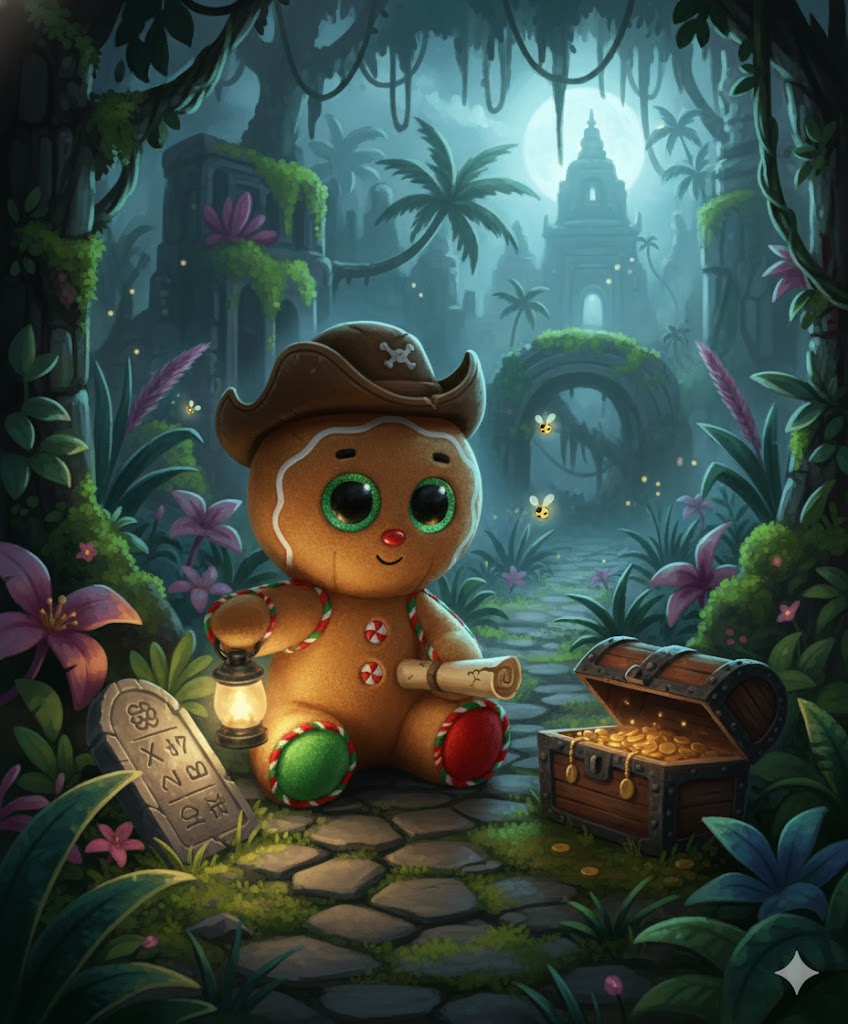

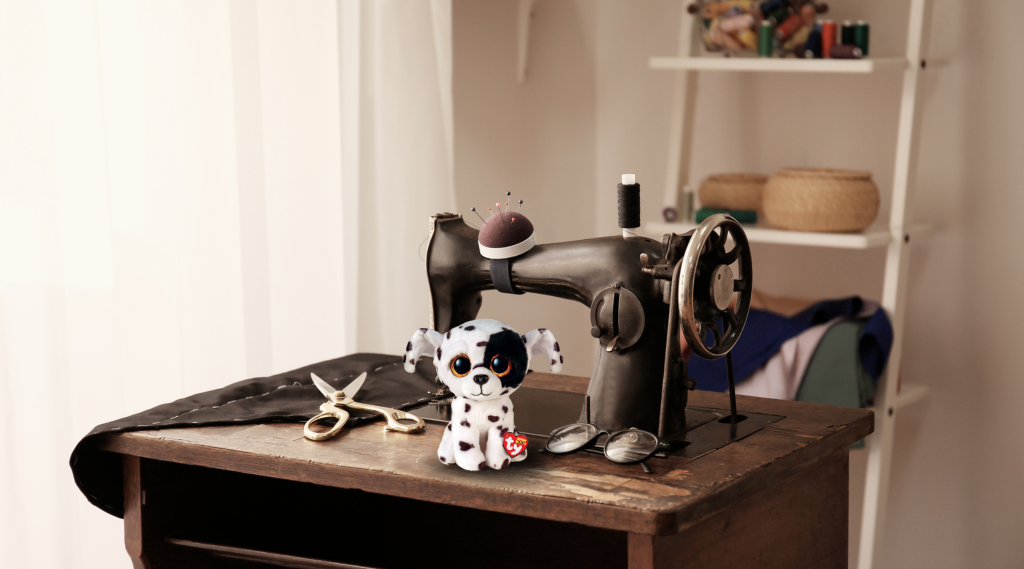
Whether it's a Beanie Boo that tags along on every family outing or a cherished childhood Beanie Baby keepsake displayed on a shelf, stuffed animals often become more than just toys. They become companions, comfort items, and treasured memories. That is why learning how to take care of a stuffed animal is so important.
From sticky snack-time accidents to years of hugs and adventures, plush toys go through a lot. Fortunately, with the right care and maintenance, you can keep them looking their best for years to come. This guide covers everything from cleaning and repairs to long-term preservation and restoration.
Why Proper Plush Care Matters
Stuffed animals are often carried everywhere. A favorite plush might accompany a child to school, the grocery store, bedtime, family vacations, and everywhere in between. Along the way, spills, dirt, and wear are inevitable.
Knowing how to take care of your stuffed animal helps prevent permanent damage, keeps the plush clean and safe, and extends its lifespan. Regular maintenance can not only reduce the need for major repairs later, but it can also help preserve special details like embroidered features, colors, and delicate fabrics.
Start With the Care Label
Before cleaning any stuffed animal, always check the manufacturer's care instructions. Different plush materials require different handling. Some toys can tolerate gentle handwashing, while others should only be surface cleaned.
Ty plush products, including Beanie Babies, Beanie Boos, Beanie Bellies, and Squishy Beanies, typically recommend surface cleaning only. Following those instructions is one of the easiest ways to preserve the fabric, stuffing, and unique design details that make your plush toys special. Taking a few moments to review the care label before cleaning can help you avoid accidental damage.
Basic Cleaning Tips for Plush Toys
When learning how to take care of a stuffed animal, cleaning is often the first concern. Before reaching for cleaning products, start with these simple steps:
- Remove dust and debris using a lint roller or vacuum with a brush attachment.
- Address stains as soon as possible.
- Spot clean before attempting a full wash.
- Avoid excessive washing, which can wear down fabric and colors.
- Repair small tears before they become larger problems.
- Use child-safe cleaning products whenever possible.
What Not to Do When Cleaning Stuffed Animals
Sometimes good intentions can cause more damage than the original stain. Avoid these common mistakes:
Skip the Washer and Dryer
Throwing a plush toy into a regular laundry cycle can damage delicate fabrics, embroidered features, sequins, glitter details, and safety eyes. High heat can also affect the stuffing and texture.
Avoid Bleach
Bleach may remove stains, but it can also strip color and weaken fabric fibers.
Stay Away From Household Disinfecting Wipes
Many cleaning wipes contain chemicals that may discolor plush fabric or leave residue behind.
Don't Use the Dishwasher
Hot water and extended soaking can permanently alter a stuffed animal's texture and shape.
Think Twice About Dry Cleaning
Dry cleaning methods are designed for clothing, not plush toys. The chemicals and processes involved may be too harsh for stuffed animals.
How to Clean a Stuffed Animal Safely
When accidents happen, surface cleaning is usually the safest option.
Baby Wipes
For fresh stains, gently dab the affected area with a baby wipe. Avoid scrubbing aggressively, which can damage fibers.
Cold Water and a Washcloth
Dampen a clean cloth with cold water, wring out excess moisture, and blot the stain until it begins to lift.
Stain Remover Pens
For stubborn spots, a stain remover pen can help. Apply carefully and follow up with a damp cloth to remove any remaining product.
Baking Soda for Greasy Stains
A small amount of baking soda can absorb oils and grease. Allow it to sit briefly before wiping it away and spot cleaning.
Handwashing
If the entire plush needs attention, use cool water and a mild soap. Gently wash by hand, rinse thoroughly, and avoid twisting or wringing the toy.
Vacuum Dirt and Sand
If a stuffed animal has been dropped outside or in a sandbox, vacuum loose debris before cleaning.
Always Air Dry
Pat excess moisture away with a towel and allow the stuffed animal to air dry completely. Avoid heat sources that may damage fabric or stuffing.
How Often Should Stuffed Animals Be Cleaned?
The answer depends on how frequently they are used.
- Daily companions may benefit from cleaning every few months.
- Plush displayed on shelves may only require annual cleaning.
- Spot cleaning should happen whenever spills or stains occur.
- Establishing a simple cleaning routine can make long-term plush care much easier.
Regular maintenance is one of the simplest ways to learn how to preserve stuffed animals before damage becomes severe.
Repairing Small Problems Before They Grow
Cleaning is only one part of plush care. Stuffed animal repairs are equally important for preservation. Addressing minor damage early can help prevent more extensive repairs later.
Fixing Loose Seams
Years of cuddling can cause stitching to loosen. Using a needle and matching thread, carefully close openings with a ladder stitch for a nearly invisible repair.
Replacing Lost Stuffing
If a plush feels flat, open a small section of a seam and add polyester fiberfill. Distribute the stuffing evenly before closing the seam.
Repairing Tears
Small holes can often be patched with matching fabric. For extra durability, place a backing fabric behind the tear before sewing.
Reattaching Ears, Tails, and Limbs
Detached pieces should be sewn back securely using reinforced stitching to withstand future play.
Advanced Techniques for Plush Restoration
Sometimes a beloved stuffed animal needs more than basic repairs. For collectors and sentimental keepsakes, advanced plush toy restoration can make a huge difference.
Restoring Lost Shape
Older stuffed animals may sag or lose their original structure.
Flexible supports such as lightweight plastic tubing or foam inserts can help restore shape to limbs, tails, and bodies while maintaining softness.
Replacing Missing Eyes and Noses
Safety eyes, buttons, and embroidered features can often be replaced. Carefully match the original size and style whenever possible.
Reinforcing Floppy Parts
Bunny ears, puppy ears, and tails may become limp over time. Adding internal support can help restore their original appearance.
Repairing Major Fabric Damage
When a simple patch isn't enough, use a fabric lining beneath damaged areas for extra strength. Felt, fleece, or coordinating fabrics can provide both support and visual appeal.
Reviving Faded Colors
Some experienced restorers use fabric dyes or fabric paints to refresh worn details. Always test products on a hidden area first to avoid unwanted results.
Long-Term Storage Tips for Stuffed Animals
If you're wondering how to preserve stuffed animals for years or even decades, proper storage is essential. The right conditions can help prevent fading, moisture damage, and unnecessary wear over time.
Keep Plush Toys Dry
Moisture can lead to mold, mildew, and fabric deterioration. Store stuffed animals in a cool, dry environment.
Protect From Direct Sunlight
Sun exposure can fade colors over time. Display plush toys away from windows whenever possible.
Rotate Favorites
If one stuffed animal receives all the attention, wear will occur faster. Rotating plush companions helps distribute use more evenly.
Store Carefully
Avoid vacuum-sealing sentimental plush toys for long periods, as compression can affect shape and stuffing. Breathable storage containers are often a better option.
When Professional Restoration Makes Sense
Some stuffed animals carry irreplaceable sentimental value. If a plush has extensive damage, fragile vintage fabric, or significant structural issues, professional restoration services may be worth considering.
Specialists can often repair damage that would be difficult to address at home, making them a valuable resource for preserving stuffed animals while maintaining their original materials, features, and cherished memories.
The Beauty of a Well-Loved Plush
Part of learning how to take care of your stuffed animal is understanding that perfection is not always the goal. A slightly worn ear, a repaired seam, or a faded patch can tell the story of years spent being loved.
While cleaning and repairs help maintain your plush companion, those little signs of adventure often become part of what makes the toy special. For many owners, those memories are just as valuable as keeping a plush in pristine condition.
With regular cleaning, timely repairs, and thoughtful storage, you can keep your favorite stuffed animals looking great for years. Whether you're caring for a child's daily companion, preserving a collection of Ty plush toys, or restoring a treasured companion from your own childhood, a little attention goes a long way in helping those memories last.

Aubrey Thornsbury
Aubrey is passionate about making content engaging and meaningful, with a focus on helping Ty connect authentically with its audience. She thrives in fast-moving digital spaces and loves the challenge of keeping up with ever-changing trends. For Aubrey, the best part of working with Ty is celebrating the creativity and fun Beanies bring to every collection. When she’s not working, she can be found painting, exploring new hiking trails, or behind the lens of her camera.