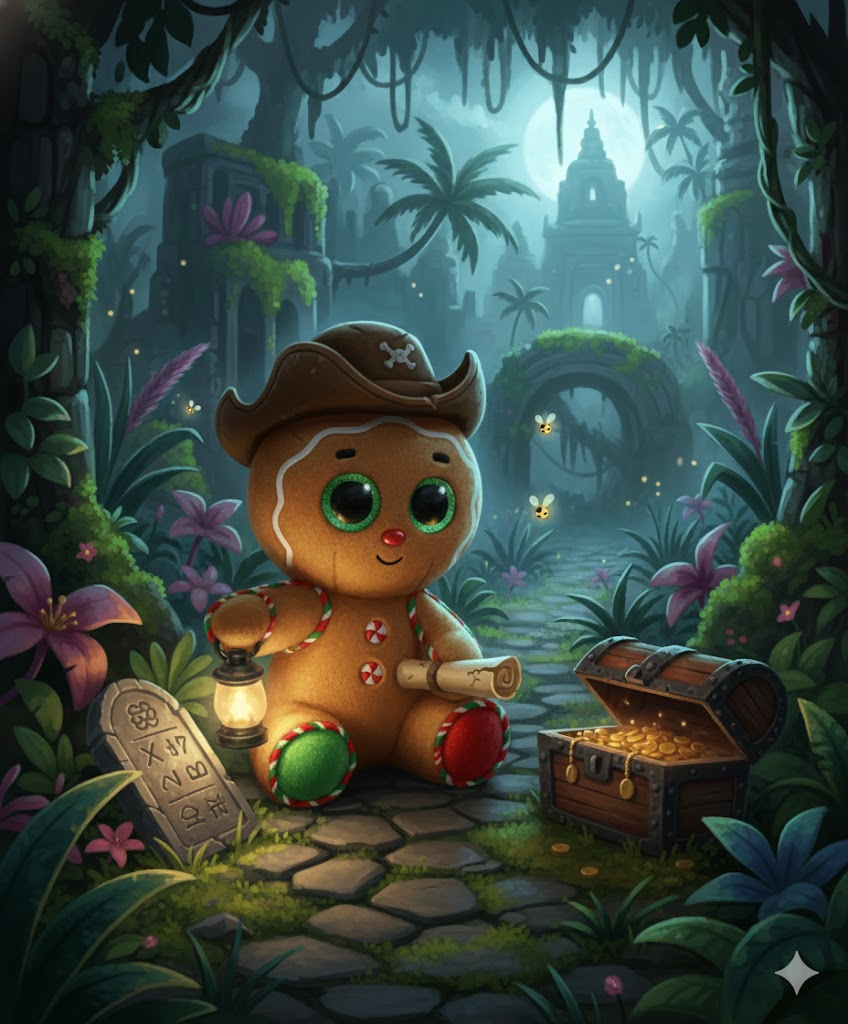

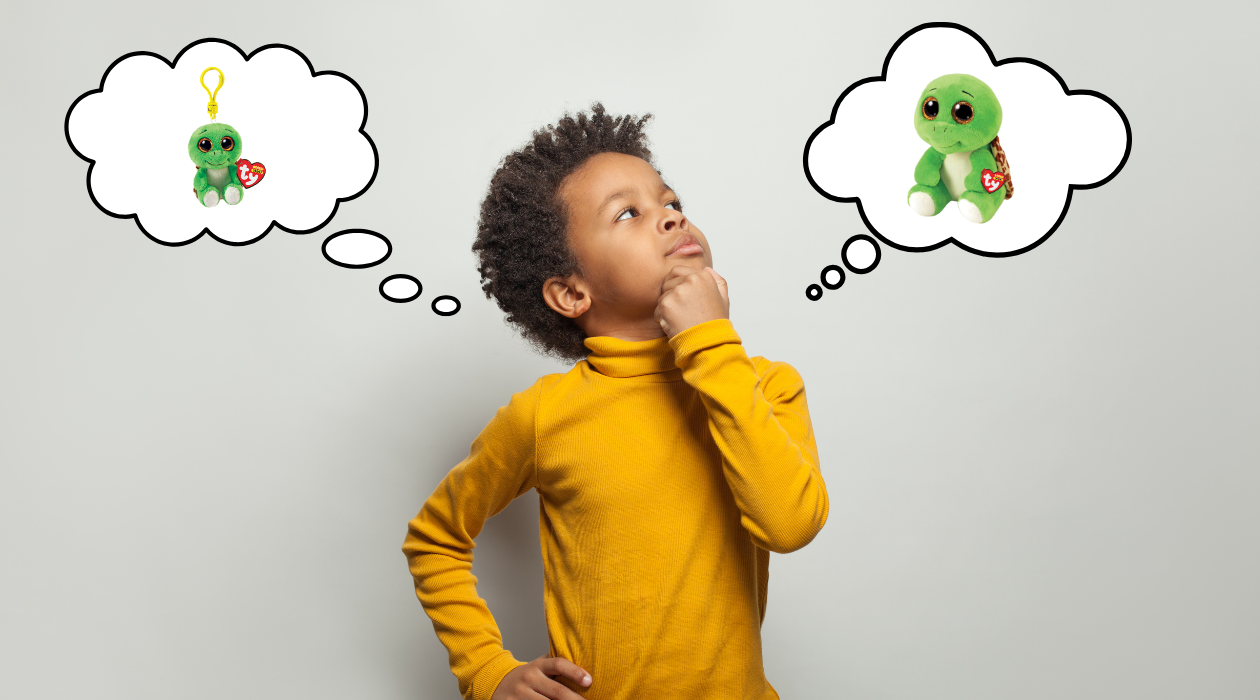
Stuffed animals are more than childhood toys. For many collectors, they’re nostalgic keepsakes and comforting pieces of personal expression. From limited-edition releases to vintage teddy bears, there are so many options for starting a plush collection. Whether you begin a stuffed animal collection for fun, sentimental value, or even investment potential, starting a collection is easier than you think.
Why Do People Start Collections
Many studies have shown that hobbies and collections can promote happiness, creativity, relaxation, and emotional well-being, especially hobbies tied to nostalgia and self-expression. A study from Harvard Health highlighted research showing that hobbies involving creativity, sensory engagement, relaxation, and self-expression are strongly tied to improved mental health and overall well-being.
In recent years, people have been looking for creative, screen-free ways to relax and express themselves. Many have turned to comforting hobbies and nostalgic collections that bring a sense of joy and personal connection. Recent lifestyle reporting has shown a major rise in “cozy hobbies” and collecting culture, especially among Gen Z and millennials seeking screen-free comfort and nostalgia.
The Benefits of a Plush Collection
Collecting plush toys combines creativity, comfort, and self-expression in a way that feels both playful and meaningful for collectors of all ages. Collecting can also create opportunities for connection through fan communities, trading groups, conventions, and shared interests online. Research around hobbies consistently points to social connection as a major benefit. Shared interests often help people build friendships and communities.
Research on collecting suggests collections often help people express identity, preserve memories, and create a sense of continuity and comfort. Many collectors view plush collections as more than décor or gifts. They’re personal reminders of favorite memories, milestones, interests, and meaningful experiences. For many collectors, plush toys provide a sense of joy, comfort, and creativity that other collectibles may not offer.
How to Start a Plush Collection
Starting a stuffed animal collection doesn’t require a huge budget or a lot of space. The key is to begin with a focus that feels meaningful and manageable.
Easy Checklist for Beginners
Choose a Collection Theme
1. Decide what type of stuffed animals you want to collect:
- A favorite brand
- A specific animal
- Characters or fandoms
- Vintage plush
- Seasonal collections
2. Set a Budget
Some plush collections stay affordable, while rare collectible stuffed animals can become expensive. Set a monthly or yearly budget to keep collecting fun and sustainable.
3. Decide How Much Space You Have
- Before buying large quantities of plush toys, consider where you’ll store or display them.
4. Learn About Plush Values
Research retired collections, limited editions, and resale pricing to understand collectible value better.
5. Join Collector Communities
- Online groups, Reddit communities, Discord servers, and social media can help you:
- Learn collecting tips
- Trade plush toys
- Discover rare releases
- Avoid counterfeit items
Where to Find Stuffed Animals
Stuffed animals can be found in many places, from official brand releases and toy stores to gift shops, seasonal collections, and collector events. Collecting stuffed animals can be more of an art than an exact method. Some collectors enjoy discovering plush toys while traveling, visiting local shops, or browsing vintage and thrift stores for retired or hard-to-find pieces. As collections grow, many collectors also participate in online fan communities, trading groups, and collector spaces to discover new releases, share collection ideas, and connect with other plush fans.
Types of Collection
One of the best parts about collecting stuffed animals is that there’s no single “right” way to build a collection. Some people focus on specific brands, while others collect plush toys that fit a personal theme or aesthetic.
Brand-Focused: Many collectors focus on plush toys from specific brands known for quality, nostalgia, or collectible value. Brand-focused collections are great for beginners because they provide a clear starting point and often have active collector communities online.
Vintage/Antique: Vintage stuffed animals can hold sentimental and monetary value. Collectors often search for antique teddy bears, retired plush lines, limited-edition releases, and cultural touchpoint items like 1990s Beanie Babies. Condition, tags, and original packaging can significantly affect collectible value.
Themed Plush Collections: Some collectors focus more on aesthetics than specific brands.
- By Animal: Animal-focused collections are especially popular with younger collectors and nature lovers. Examples include farm animals, like sheep and cows, dinosaurs, pet-specific animals, such as cats or dogs, or classic bears.
- By Character: Fans often collect stuffed animals based on favorite franchises or characters. This type of collecting includes popular licensed character plush from larger brands, including Disney and Warner Bros, and franchises like Marvel’s Avengers, Harry Potter, Star Wars™, and PAW Patrol.
- By Holiday: Seasonal plush collections allow collectors to rotate displays throughout the year. Common holiday plush themes include Christmas stuffed animals, Halloween plush, Valentine’s Day stuffed toys, and Easter plush, especially bunny stuffed animals. Decorating with stuffed animals is a delightful, budget-friendly way to enhance your holiday decorations.
- By Color: Some plush collectors organize their collections around a favorite color palette or room aesthetic. Color-coordinated collections can create a visually cohesive display while allowing collectors to mix different animals, characters, and plush styles. Popular colorful plush themes include rainbow stuffed animals, pastel-hued plush, black-and-white specific collections, and blue and pink plush collections.
How to Organize Your Stuffed Toy Collection
Keeping your plush collection organized makes it easier to enjoy and maintain. Collectors typically organize stuffed animals by size, theme, or data of release. For casual fans and collectors alike, we have a full guide on how to organize stuffed animals.
Cataloging:
No matter how you sort your plushes, one of the best ways to organize your collection is by cataloging your inventory. Creating a catalog helps you to track rare plush toys, monitor value, avoid duplicate purchases, and keep records of valuable items. You can use spreadsheets, collection apps, photos with digital folders, or even journals to keep track of your stuffed toy collection. It’s a wise idea to keep track of the purchase date, condition, and whether or not the plush has its original tags. These organizational tools are especially valuable if you loan out any items from your collection.
Displaying:
Bookshelves and floating shelves work very well for smaller plush toys, specific theme displays, like ocean animals or jungle plush creatures. You can also utilize this method for color-coordinated arrangements, like perhaps you display all of your yellow plush in spring or your orange-hued plush in the autumn.
For medium-sized collections, you will want to save floor space, but still keep your plush toys visible. In this case, plush hammocks and wall nets, especially over-the-door options, are an excellent choice. For larger collections, storage benches, baskets, and themed bins can also blend function with decoration.
Glass cabinets are a really good option for rare or valuable plush items. The glass showcases protect your stuffed animals from dust, sunlight, and humidity. View our in-depth guide on additional display and storage ideas for stuffed animals.
Preserving Your Plush Collection
Proper care can help stuffed animals last for years or even decades. Regular stuffed animal cleaning, safe storage, and protection from dust, moisture, sunlight, and pests can help preserve both the appearance and condition of plush toys over time. For rare or high-value stuffed animals, collectors may also choose to use protective display cases, keep original tags intact, or store items in climate-controlled spaces to help maintain their long-term value. View our guide on how to preserve vintage stuffed animals.
When to Re-home or Donate
Collections naturally change over time. Some collectors eventually decide to downsize or refocus their collection. You might consider re-homing plush toys when you run out of space, your interests change, you want to focus on higher-value pieces, or you simply have found a different collection that brings you joy.
Stuffed animals can often be donated to charities, gifted to younger (or older!) family members, sold to collectors, or traded within collector communities. Always check donation guidelines, as some organizations only accept new or gently used plush toys.
How Stuffed Animal Collections Bring Joy
Stuffed animal collections often reflect personal interests, favorite memories, and a sense of creativity. Some collectors keep a few meaningful plush toys on display, while others enjoy building larger collections centered around favorite animals, characters, or themes. No matter the size, collecting plush can be a fun and rewarding hobby at any age.
Starting a plush collection is really about choosing pieces that make you happy. Over time, a collection can evolve alongside your interests, becoming a hobby that feels personal, creative, and enjoyable for years to come. Begin your collection today at Ty.com!

Aubrey Thornsbury
Aubrey is passionate about making content engaging and meaningful, with a focus on helping Ty connect authentically with its audience. She thrives in fast-moving digital spaces and loves the challenge of keeping up with ever-changing trends. For Aubrey, the best part of working with Ty is celebrating the creativity and fun Beanies bring to every collection. When she’s not working, she can be found painting, exploring new hiking trails, or behind the lens of her camera.