
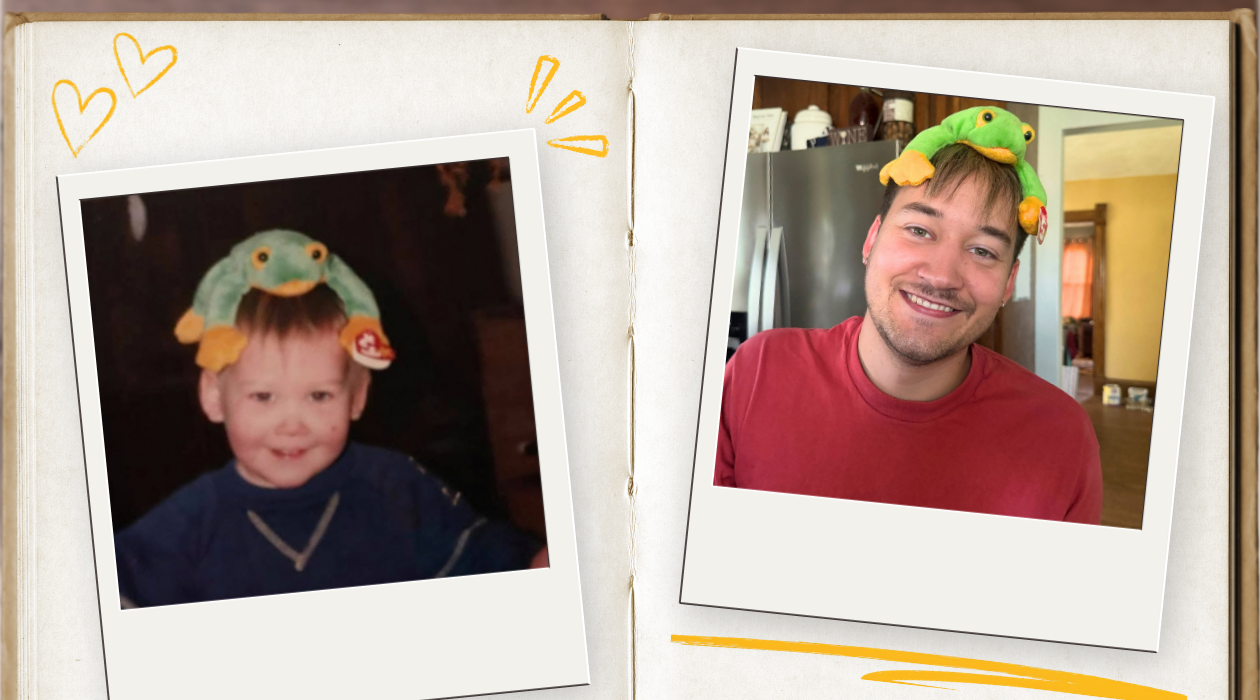
There are childhood toys you remember having, and then there are the ones you can still picture years later. You remember where they sat on the bed, what you named them, and which one had to come along for a sleepover. Sometimes you even remember the ear you always held or the tag you were told not to remove.
Childhood stuffed animals have changed a lot over the years. Teddy bears made room for colorful TV characters. Plush started talking. Kids began collecting whole groups instead of choosing just one. And if you grew up in the 1990s, there's a good chance a red Ty heart tag was somewhere in the room.
At Ty, we've spent many years thinking about stuffed animals. Here's our look back at some of the classic plush toys that helped define each era.
1960s: Teddy Bears Were Already Family
By the 1960s, teddy bears had been tucked into children's beds for decades. Stuffed dogs, bunnies, and cats joined them, and many became the kind of toy that looked better with age. A little worn fur usually meant a bear had been doing its job.
Licensed character plush had a bigger place in bedrooms, too. Snoopy and other familiar faces from comics, books, and children's TV gave kids another kind of stuffed friend to bring home. Still, a favorite didn't need much of a backstory. Sometimes a bear or bunny with a good face was enough.
1970s: Paddington Finds His Way Home
Paddington had already been charming readers for years when he became a stuffed toy. Michael Bond introduced the bear in A Bear Called Paddington in 1958, and Gabrielle Designs began making Paddington soft toys in Britain in 1972.
The details made him unmistakable: the hat, coat, boots, and luggage tag. Kids weren't simply getting another teddy bear. They were bringing home Paddington, the same character they knew from the stories. That link between stories and plush would only get stronger in the decades ahead.
1980s: Care Bears, Popples & Pound Puppies
The 1980s were very good for stuffed animals. Plush got brighter, characters had bigger personalities, and toy makers found new ways to make kids want to bring home more than one.
Care Bears were everywhere in the 1980s. Each bear had its own name, color, and belly badge, which made picking a favorite feel personal. With so many characters to choose from, it was easy for one Care Bear to turn into a collection.
Pound Puppies had an equally good hook. Mike Bowling created the plush dogs in 1984, and Tonka brought them to the U.S. market in 1985. The floppy pups came with an adoption theme, so choosing one felt a little like bringing home a pet.
Then there were Popples. Released in 1986, these bright plush characters each had a pouch on the back. Fold a Popple into the pouch, and it becomes a furry ball. Pull it back out, and your Popple is back. Anyone who had one probably remembers exactly how that worked.
Teddy Ruxpin brought something else to the bedroom. Released in 1985, the bear-like character played stories from cassette tapes as his mouth and eyes moved. Add cuddly versions of Gizmo from Gremlins, and an '80s bedroom could hold a pretty memorable group.
1990s: Then Came Beanie Babies
The 1990s are personal for us at Ty. We introduced the Original 9 Beanie Babies in 1993 at the Gatlinburg Gift Show in Tennessee, then brought them to the World Toy Fair in New York. Specialty gift stores began selling Beanie Babies in early 1994, and those first nine animals became the start of something much bigger.
The internal beans changed how these plush felt in your hands. Beanie Babies could flop, sit, and pose, and their small size made collecting more than one easy. The animals gave kids plenty to choose from, too. A bear and dog felt familiar, while a platypus, lobster, and orca were a little less expected on a plush shelf.
The Ty heart tag soon became part of the experience. Beanie Babies had names, while later characters came with birthdays and poems, giving fans more to discover. Kids learned those names, searched for certain animals, and compared what they had with friends. Adults joined in too, and we had a front-row seat as Beanie Babies became part of 1990s toy culture.
You could have a favorite without feeling finished. Earlier generations often had the teddy bear or the stuffed dog. Beanie Babies gave kids a whole cast, and in plenty of 1990s bedrooms, that cast eventually took over a shelf, the bed, or any other available space.
Meet the Original 9 Beanie Babies
Our first nine were:
- Brownie the Bear, later renamed Cubbie
- Chocolate the Moose
- Flash the Orca
- Legs the Frog
- Patti the Platypus
- Pinchers the Lobster
- Splash the Whale
- Spot the Dog
- Squealer the Pig
That first group still tells you a lot about Beanie Babies. We've always loved animals, including the ones that rarely get to be the star of the toy shelf. Patti gave kids a purple platypus. Pinchers made a lobster cute. Flash and Splash brought sea animals into the collection.
The Original 9 have retired, but Beanie Babies are still part of Ty. New characters continue to join the collection, giving longtime fans more to find and new collectors a place to start.
2000s: Your Stuffed Animal Gets a Password
The 2000s gave kids something earlier generations never had: a stuffed animal that could follow them onto the family computer. Webkinz launched in 2005, connecting a physical plush pet with an online version that kids could care for, play with, and give a home of its own.
Near the end of the decade, we introduced another group of Ty characters. The first Beanie Boos arrived in 2009, with big eyes that were hard to miss.
2010s: You Couldn't Miss Those Eyes
Beanie Boos entered the 2010s with a look that was easy to spot. Their large, colorful eyes became a signature, while the growing cast gave fans dogs, cats, owls, penguins, unicorns, and plenty of other animals to choose from.
The way kids found plush was changing too. Collections could appear in photos and videos, letting fans discover characters far beyond their local stores. Squishmallows joined the plush category in 2017 and found an audience of their own.
For us, the decade holds many Beanie Boo memories, from backpacks with Beanie Clips to shelves full of those big eyes.
2020s: Plush Finds Fans of All Ages
One of the nice things about making stuffed animals for this long is getting to watch the kids grow up. Some collectors never stopped loving plush. Others came back years later and found the toys they remembered alongside plenty of new characters. Many now have kids of their own.
That makes today's plush world a mix of generations. Someone who remembers searching for Beanie Babies in the 1990s can now have a child choosing a Beanie Bouncer. Social media gives everyone more ways to share their favorites through collection photos, videos, and shelf tours.
The way people discover stuffed animals keeps changing. Choosing one because you love its face still feels pretty familiar.
Why Do Childhood Stuffed Animals Feel So Nostalgic?
Ask someone about an old stuffed animal, and the details tend to come back quickly. They may remember its name, where it sat, who gave it to them, or the tag they were told to leave alone. A favorite plush was there for bedtime, car rides, family trips, and plenty of ordinary days, which is part of the appeal of nostalgic plush today. Sometimes you're looking for the exact toy you remember as yours.

Greg Torkelson
Greg focuses on helping Ty strengthen their digital presence with practical, results-focused strategies. He brings a steady approach to projects and enjoys seeing campaigns turn into measurable results. Greg’s favorite part of working with Ty is seeing how Beanies bring excitement to kids and collectors alike. When he’s not at his desk, he enjoys golfing, curling, and spending time with his family.