
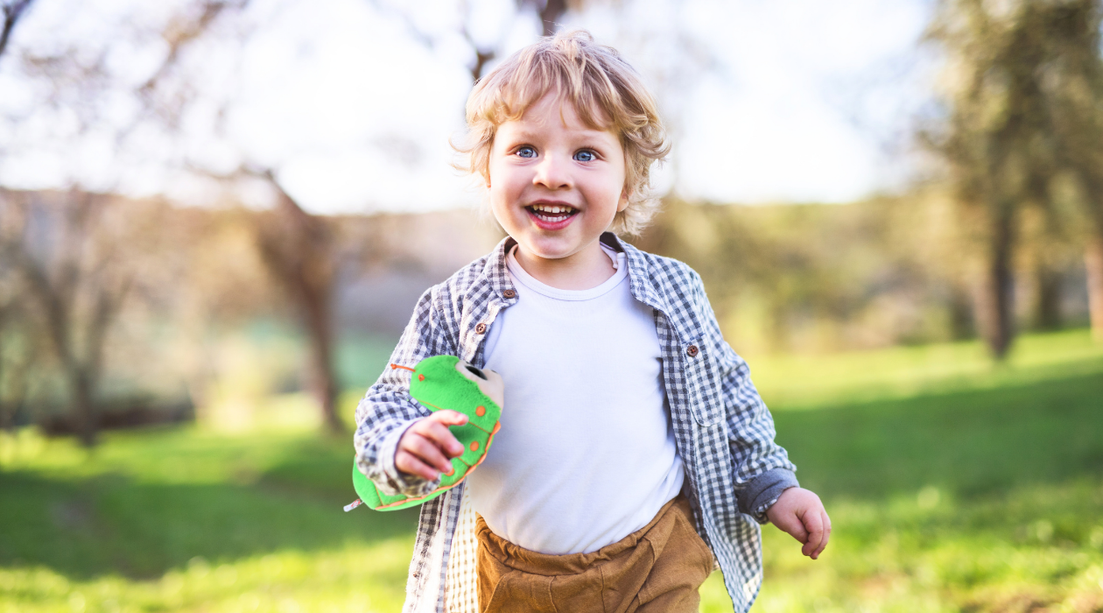
A toddler’s world is busy. There are blocks to stack, books to flip through, puddles to investigate, and a long list of questions to ask. And often, right in the middle of it all, there’s a stuffed animal tucked under one arm.
That plush friend might ride in a stroller, sit beside the snack table, or join the family on a road trip. Some become bedtime favorites. Others head off on tea parties, imaginary jungle trips, or whatever new adventure the day brings.
These playful moments are part of what makes stuffed animals for toddlers lasting favorites and child development toys at the same time. While kids are playing, they’re also building communication, creativity, social skills, and problem-solving
Why Stuffed Animals Are a Natural Part of Toddler Play
Toddlers learn by doing. They touch things, repeat actions, pretend, and test out ideas as they go. Stuffed animals fit right into that kind of learning. They can be part of almost any game or story. One day, a Beanie Boo might ride a toy rocket ship. The next, a stuffed fox is hunting for bugs while a puppy dog plushie waits for a picnic to start.
That flexibility is a big part of what makes them so appealing. As a toddler’s interests change, the toy can change with them.
Pretend Play Helps Toddlers Explore New Ideas
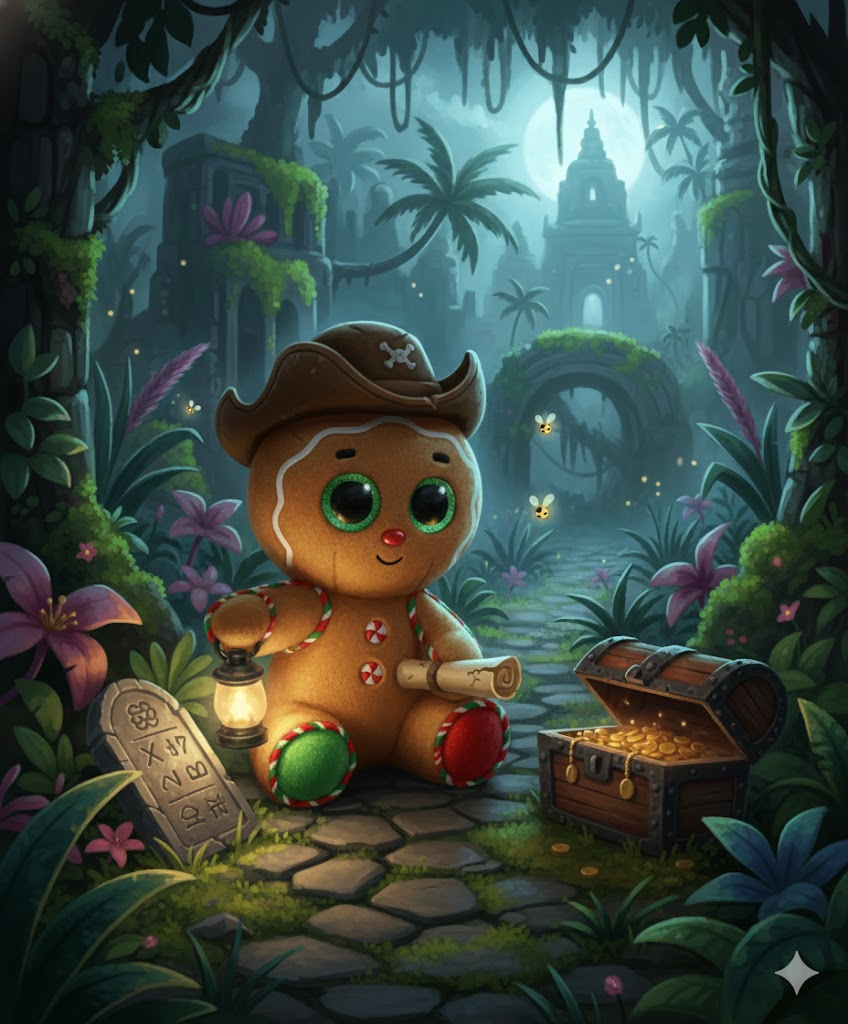
Pretend play is a big part of early childhood. As toddlers begin using their imagination, everyday objects and favorite emotional support toys become part of elaborate make-believe worlds. Before long, the living room is filled with stuffed jungle animals and hidden treasure maps. A blanket fort becomes a castle. A stuffed sloth might lead a trek through the backyard in search of a butterfly.
This kind of play matters because it helps children practice creativity, communication, and social understanding. Stuffed companions are especially well-suited for imaginative play because they adapt so easily to whatever story a child wants to tell.
Plush Friends Encourage Language and Communication
Many toddlers love talking to their plush friends. They give them names, tell them stories, and explain what’s happening during play. That kind of back-and-forth helps build vocabulary and confidence with language.
Parents and caregivers can join in too. A few simple prompts can keep the conversation going:
- What is your stuffed animal's name?
- Where is your plush friend going today?
- What snacks would your teddy bear like for lunch?
- Who is coming to your Beanie Boo's birthday party?
These little exchanges help children describe ideas, answer questions, and practice storytelling.
Learning Kindness Through Caring for a Stuffed Animal
Toddlers are always watching the people around them. They notice how parents, grandparents, siblings, teachers, and caregivers treat others, and they often bring those lessons into play. A stuffed animal becomes a natural stand-in for that care.
A child may tuck a plush panda under a blanket, set it at the table, or make sure it gets a bedtime story before lights out. Small actions like these help toddlers practice gentleness and learn what caring looks like.
That’s also why these companions often become part of daily routines. They go on errands, join family activities, and show up in all kinds of make-believe moments.
Practicing Real-Life Skills Through Play
Toddlers are curious about everything. They want to know how things work, what people do, and why routines matter. Pretend play gives them a safe, fun way to explore those ideas.
Stuffed animals can help bring those everyday experiences to life. Children often enjoy:
- Brushing a plush friend's teeth
- Packing a toy suitcase for an imaginary vacation
- Hosting a pretend doctor's appointment
- Setting up a restaurant for stuffed animal customers
- Creating a classroom for their favorite plush pals
These kinds of play build observation, creativity, and problem-solving while helping toddlers get familiar with real-life routines.
Supporting Toddler Milestones Through Everyday Adventures
A lot of toddler developmental milestones appear naturally during playtime. As children learn new words, they often start naming their favorite stuffed animals and pointing out what makes each one special. A child might notice a stuffed bunny’s long ears, a plush tiger's stripes, or a Beanie Boo's colorful eyes. Those moments build vocabulary and help connect words to the world around them.
As communication grows, the stories grow too. The plush friend that used to come along for errands may suddenly have a favorite snack, a birthday, and a whole group of stuffed animal neighbors. Children start building characters, conversations, and scenes from the toys they know best. What looks like simple play is often where a lot of learning is happening.
Why Open-Ended Toys Continue to Inspire Creativity
The best toys are often the ones that leave room for a child to decide what happens next. Early childhood experts often point to open-ended toys as being among the best toys for babies and toddlers they encourage children to lead the play instead of following a fixed script.
Stuffed animals are a perfect example. One plush friend can be part of a school lesson, a talent show, a rescue mission, or a quiet naptime scene. The story changes with the child.
That open-ended quality is a big reason these toys last. Kids don’t just play with them once. They assign them names, personalities, and important roles in story after story.
Finding the Right Stuffed Animal for Your Toddler
Every child has their own favorite animals and interests. Some toddlers are drawn to Disney and gravitate toward licensed characters that they already know from screens. Others love woodland stuffed animals or wildlife and zoo plushies they have seen in real life.
When choosing a stuffed animal for a toddler, look for something soft, easy to hold, and ready for everyday play. The best gifts for toddlers, stuffed animals, can be the ones that become part of the daily routine, not just something that sits on a shelf.
Softness matters too. Soft stuffed animals for toddlers are easier to carry around, cuddle, and include in play wherever the day goes.
Small Plush Friends, Big Opportunities for Learning
Stuffed animals have always had a special place in childhood. They move from room to room, show up in family traditions, and become familiar faces in everyday life.
Toddlers bring them into tea parties, story time, backyard adventures, and all kinds of make-believe scenes. And while the play is imaginative, the learning is real. These toys support communication, creativity, problem-solving, and social skills in ways that feel natural to kids.
That’s why stuffed animals for toddlers continue to matter. They’re comforting, familiar, and full of possibilities. For many children, they become part of the memories that last long after toddlerhood ends.

Aubrey Thornsbury
Aubrey is passionate about making content engaging and meaningful, with a focus on helping Ty connect authentically with its audience. She thrives in fast-moving digital spaces and loves the challenge of keeping up with ever-changing trends. For Aubrey, the best part of working with Ty is celebrating the creativity and fun Beanies bring to every collection. When she’s not working, she can be found painting, exploring new hiking trails, or behind the lens of her camera.