
Stuffed animals are often a child’s first introduction to the animal world, shaping how they recognize and relate to different species from an early age. Kids form strong connections with the plush toys they carry everywhere, and when those toys represent real endangered animals, they can also help explain why certain species are at risk and what it means to protect them.
As awareness around conservation continues to grow, especially around Earth Day (April 22nd) and Wildlife Conservation Day (December 4th), endangered species stuffed animals offer a simple way to connect everyday play with a better understanding of wildlife and the need to protect it.
What are Endangered Species Stuffed Animals?
Endangered species stuffed animals are plush toys based on real animals that are currently at risk in the wild. Many wildlife soft toys are designed to look like recognizable animal species, but endangered species plush focus specifically on animals that are endangered or threatened. By choosing animals that face real challenges, these endangered animal toys can help introduce kids to the idea that some species of animals need extra protection.
How Stuffed Animals Teach Kids About Conservation
Stuffed animals can turn everyday play into opportunities for learning. When kids play with endangered species toys, they often start asking questions about the animals they are holding, including where they live and why they are at risk. This kind of play can introduce basic ideas about habitats, ecosystems, and human impact in a way that feels natural. Over time, these small interactions help connect what kids see during play with real-world environmental issues.
Why Kids Form Strong Bonds with Plush Animals
There are many benefits to having stuffed animals for both kids and adults, but in particular, kids rely on them during play and everyday routines. Kids return to their comfort stuffed animals again and again during play, building familiarity through repetition and routine. That familiarity can create a sense of emotional security, especially in new or unfamiliar situations. It also supports imaginative play, as kids create stories and roles for the animals they interact with. Through that play, they begin to develop early empathy by caring for and responding to the animals they spend time with.
The Educational Benefits of Stuffed Animals
There are many educational benefits to stuffed animals. Pretend play with stuffed animals gives kids a chance to take on roles like zookeeper, wildlife vet, or scientist, turning playtime into a more active kind of learning. As they care for their zoo animal stuffed animals, create “habitats”, or look for jungle stuffed animals on an imaginary safari, they practice storytelling, build vocabulary, and start thinking about what animals need to survive.
Stuffed animals also support learning through repetition and observation. As kids return to the same toys, they begin to recognize details, remember characteristics, and build familiarity with different animals over time. These interactions can introduce early science and nature concepts simply, reinforcing the importance of educational stuffed animals without feeling structured or instructional.
Why Conservation Efforts With Endangered Animal Toys Matter Today
Wildlife conservation efforts have changed significantly over time, shifting from early zoos that focused on display to modern institutions centered on education, research, and species protection. Today, conservation is not just about observing animals but understanding how to protect them, which is why tools like endangered animal toys can help introduce these ideas in a simple and accessible way.
A Brief History of Wildlife Conservation
Wildlife conservation has developed over time through key milestones that shaped how animals are protected today.
- 1871: The U.S. Fish and Wildlife Service established as one of the world’s first formal conservation agencies
- 1900: The Lacey Act passed - the first federal law protecting wildlife and regulating trade
- 1935: World Association of Zoos and Aquariums (WAZA) founded to support global collaboration
- 1936: National Wildlife Federation was established to promote conservation awareness
- 1948: International Union for Conservation of Nature (IUCN) was founded, helping track species through the Red List and guide global conservation efforts
- 1961: World Wildlife Fund (WWF) was founded to fund wildlife protection efforts
- 1973: Endangered Species Act (ESA) passed to protect at-risk species and their habitats
- 1975: CITES treaty enacted to regulate international trade of endangered species and prevent wildlife trafficking.
Protecting wildlife has become a global effort, and education continues to play a key role.
A Brief History of Modern Zoos & Endangered Species Education
The first modern zoo (the Menagerie du Jardin des Plantes), built in 1793, opened in Paris, France. Early zoos like this were more like museums, displaying living animals in small areas, with as many species as space would allow. Today, zoos are more cognizant of natural habitats and are meant to entertain the public, but have a strong emphasis on education, scientific research, and species conservation. As part of this shift, the World Association of Zoos and Aquariums (WAZA) was founded in 1935 and now has over 400 member zoos around the world.
As conservation efforts expanded in the mid-20th century, public awareness of endangered species began to grow more significantly. The rise of global organizations like the World Wildlife Fund in the 1960s, along with major environmental laws and media coverage, helped bring attention to species at risk and the impact of human activity. Over time, education around endangered animals became more widespread, reaching schools, families, and everyday consumers.
How Endangered Animals Stuffed Toys Support Conservation
Endangered animals stuffed toys play a role in conservation by helping raise awareness, support funding, and connect everyday actions to wildlife protection.
- Promoting Awareness
Endangered animals stuffed toys can introduce kids to species they may not see in everyday life, including animals like pangolins and vaquitas. By giving children a more familiar connection to these animals, they can help build awareness of wildlife and why some species need extra protection.
2. Supporting Conservation Efforts
Some conservation organizations, zoos, and brands use donation-based models to connect purchases with wildlife protection. In some cases, endangered species toys are part of broader efforts to raise funds and support conservation work.
3. Gifts That Give Back
For individuals, purchasing certain plush toys can be a simple way to support wildlife conservation efforts. These types of endangered species stuffed animals are often tied to donation programs or partnerships with conservation organizations, allowing a simple gift to contribute to real-world impact. This approach makes it easier for parents, educators, and gift-givers to support conservation through everyday purchases.
When Did Adopt an Animal Conservation Start?
Adopt an animal programs became more widely recognized in the mid-20th century as groups like the World Wildlife Fund introduced symbolic adoptions to help fund wildlife protection. These programs often include adoption certificates, updates, or ways to track the animal, helping people feel more connected to the species they are supporting. They also make it easy to pair a symbolic adoption with a gift like endangered species stuffed animals, especially for occasions like Earth Day, connecting giving with conservation awareness.
Wildlife & Zoo Stuffed Animals
Wildlife and zoo stuffed animals can help kids feel inspired by nature by making animals more recognizable and easier to connect with.
Quick Facts:
What is an endangered species?
An endangered species is an animal or plant that is at serious risk of extinction, meaning it could disappear completely without conservation efforts.
What is the #1 most endangered animal in the world?
The vaquita, a small porpoise found in the Gulf of California, is considered the most endangered animal, with only a few individuals remaining.
What are the big 5 endangered animals?
The “Big Five” traditionally include elephants, rhinos, African buffalo, leopards, and lions, many of which face threats from habitat loss and poaching.
Top Endangered Species Stuffed Animals
- 🐘 Elephant Stuffed Animal - Highlights an endangered species known for shaping ecosystems by spreading seeds across large areas.
- 🦏 Rhino Plush - Represents a critically endangered species threatened by poaching driven by demand for their horns.
- 🐆 Leopard Stuffed Animal - Inspired by a vulnerable species that is highly adaptable but faces habitat loss and human conflict.
- 🦁 Lion Stuffed Animal - Reflects a vulnerable species with populations declining due to habitat loss and reduced prey.
- 🦛 Hippo Plush - Represents a vulnerable species that helps maintain river ecosystems.
- 🐅 Tiger Stuffed Animal - Represents an endangered species and one of the largest big cats, at risk from habitat loss and poaching.
- 🐒 Monkey Stuffed Animal - Represents species that are often threatened by deforestation and habitat loss.
- 🦒 Giraffe Stuffed Animal - Represents a vulnerable species, with declining population numbers due to habitat loss and poaching.
- 🦭 Seal & Sea Lion Stuffed Animals - Reflect species that can be affected by habitat disruption from climate change.
- 🦦 Otter Plush - Highlights species that help maintain ecosystems like kelp forests by controlling sea urchin populations.
- 🐧 Penguin Plush - Reflects species that are threatened by climate change and shifting food sources.
- 🐬Dolphin / Manatee Stuffed Animals - Represent vulnerable species often at risk from boat collisions in coastal waters.
- 🐨 Koala Stuffed Animal - Represents an endangered species that depends on eucalyptus forests that are rapidly declining.
- 🦥 Sloth Plush - Inspired by species that are vulnerable to deforestation/ habitat loss.
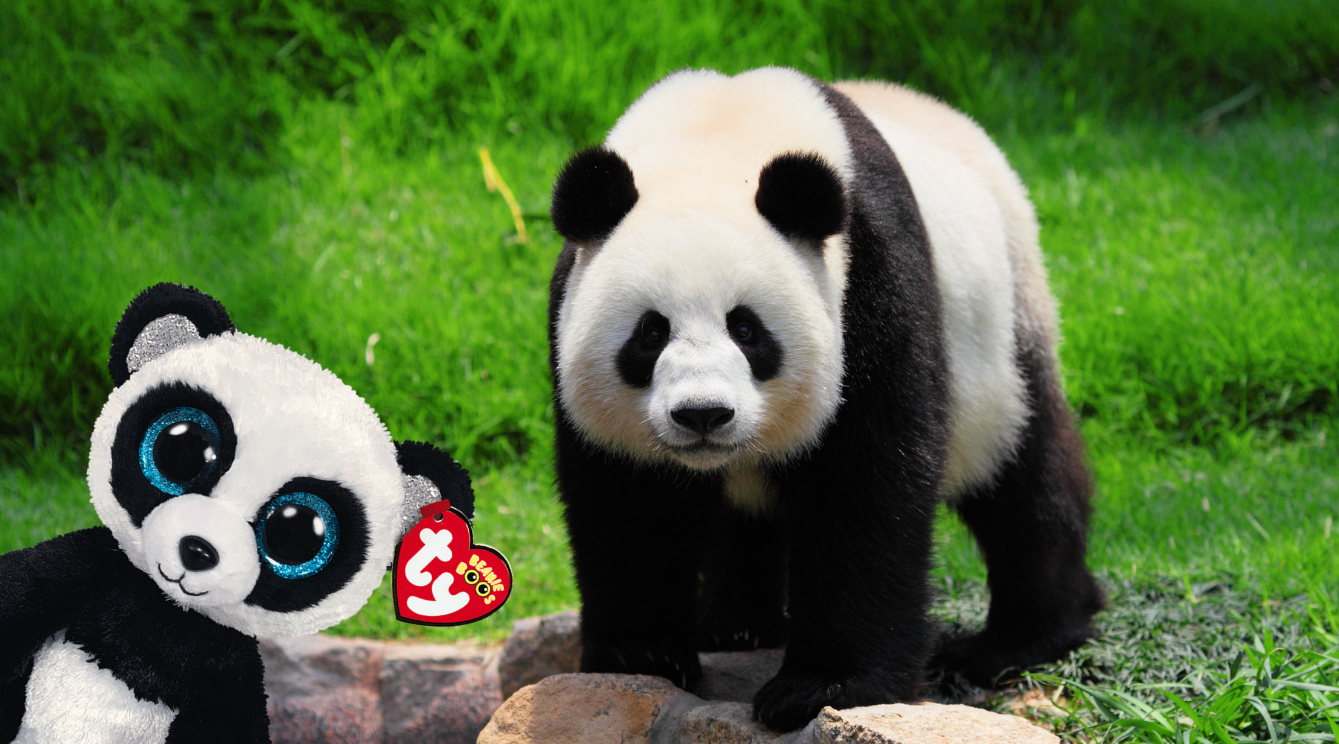
- 🐼 Panda Plush - Highlight success story for a vulnerable species helped by public awareness that has become a global symbol of conservation.
Choosing the Right Endangered Species Toy
Choosing toys based on real animal species can make it easier for kids to recognize and connect with wildlife. For example, choosing an elephant, tiger, or sea animal plush can help introduce different habitats and conservation challenges. Quality and durability also matter, especially for toys that will be used regularly. Materials and production can also be a consideration, with some brands focusing on more sustainable or responsibly sourced options. It’s also worth looking for products that align with conservation efforts, whether through partnerships, educational value, or donation-based programs.
Inspiring the Next Generation of Conservationists
Stuffed animals have been a part of childhood for over a century, evolving from simple toys into familiar companions that help kids recognize and connect with animals from an early age. As their popularity continues to grow, so does their potential to influence how children learn about the world around them.
Today, endangered species stuffed animals can build on that long-standing connection by introducing real animals and conservation ideas in a way that feels familiar and accessible. As more families and educators use these toys for learning and gifting, they create more opportunities to raise awareness and encourage interest in protecting wildlife, helping turn everyday experiences into a starting point for conservation.

Greg Torkelson
Greg focuses on helping Ty strengthen their digital presence with practical, results-focused strategies. He brings a steady approach to projects and enjoys seeing campaigns turn into measurable results. Greg’s favorite part of working with Ty is seeing how Beanies bring excitement to kids and collectors alike. When he’s not at his desk, he enjoys golfing, curling, and spending time with his family.