Choosing a stuffed animal to sleep with gets personal pretty quickly. You might love a character’s face, then pick it up and realize you’d prefer something squishier. A child may spend ages looking at new plush and still want the little dog waiting at home when bedtime comes.
At Ty, we give people plenty of ways to find a favorite. Sometimes those big Beanie Boo eyes catch your attention first. Once a plush starts coming along for bedtime stories or overnight visits, you get to know it differently. You know how it fits under your arm and which ear you like to hold.
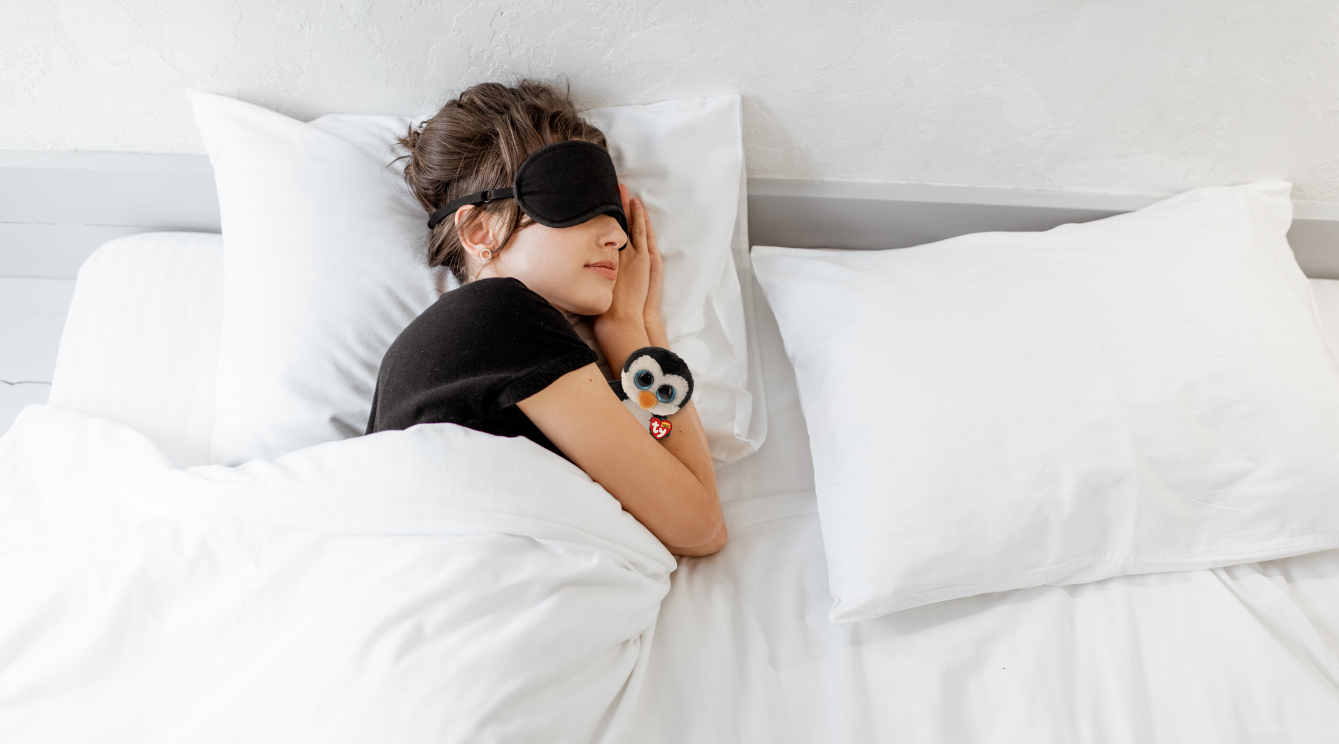
That familiarity helps explain why people look for stuffed animals for sleeping. A soft friend beside you can make getting into bed feel cozy, especially when that plush already means something to you.
Why a Familiar Stuffed Animal Can Feel Safe
Bedtime asks a lot of a young child. They've spent the day with people nearby, and now they're settling into a room on their own. A favorite stuffed animal gives them something familiar to hold as they adjust to that separation.
Cornell Cooperative Extension explains that children can draw comfort from security objects during moments like these. You may hear a psychologist call a special blanket or plush a “transitional object.” Holding it lets a child carry some of that familiar feeling of security into a situation that feels uncertain.
You can see how this might work on a visit to a grandparent's house. The bedroom looks different, and someone has tucked the blankets in differently, too. But the plush bunny your child brought along feels exactly as it did last night.
Let your child have a say in which toy comes with them. The one you'd choose may get passed over for a much smaller friend they've grown attached to.
What Makes Plush Comforting?
Softness seems like an obvious answer. Researchers wanted to understand how much it matters alongside everything else we associate with a favorite stuffed animal.
In a 2023 study published online in The Journal of Positive Psychology, researchers explored what makes teddy bears comforting with help from about 1,000 people, aged 3 to 72. Participants rated their own bears and unfamiliar ones. The emotional bond with their own bear strongly influenced those ratings; softness and how pleasant a bear felt to handle also mattered.
Think about a plush someone gave you years ago. You might remember opening the gift whenever you pick it up. After enough nights together, even the way its stuffing has settled can become part of what you like about it.
When choosing soothing stuffed animals, it makes sense to pay attention to what feels good in your hands. Over time, you'll bring your own memories to that plush.
The research measured how comforting people found teddy bears, so it can't tell us whether a plush will help someone fall asleep faster. It does, though, give us a better sense of why a favorite can feel so reassuring.
How to Choose a Plush for Bedtime
If you can, pick it up first. Hold it the way you’d hold it in bed. You’ll learn more from that than from looking at a photo.
Notice where your cheek rests and whether your arm fits comfortably around its body. A plush with long legs might tuck easily beside you. A fuller shape may feel better if you like having something to hug.
For children, check the age recommendation before shopping. Ty recommends its plush toys for ages 3 and up, and you should always follow the guidance on the specific product.
For Someone Who Loves a Squishy Cuddle
Our Squishy Beanies have rounded, squeezable bodies that feel good tucked into your arms. Think about how you like to hold a plush when you settle into bed.
Consider a medium-sized plush if you like to keep your friend close beside your pillow or have limited space to share. A large plush gives you more to wrap your arms around, though you’ll want enough room to turn over comfortably.
When the Fabric Makes the Difference
If you tend to stroke a plush while reading or settling down, spend a little extra time choosing the texture. Our Beanie Bellies have a velvety-soft feel that’s easy to appreciate when you hold one.
Feel around the seams as well. Something you barely notice while carrying a toy can become distracting when it’s tucked against your cheek. Children may have strong preferences, so give them time to hold a plush before deciding.
Finding a Face You Love
A child who asks to meet every dog on the sidewalk might enjoy choosing from our stuffed dogs. If you’ve always had a soft spot for a teddy, you’ll probably find yourself browsing the plush bears.
With Beanies, a name or birthday can be part of the attraction. Finding a character that shares your child’s birthday gives them something to tell everyone about.
Consider where your child likes to keep their favorite. They may enjoy holding a plush friend against their shoulder or prefer having it sit where they can see its face from bed.
Giving a Favorite Plush a Place in the Evening
Bedtime stuffed animals often find their place while a family reads together. Your child might turn their plush toward the pictures or insist it needs a turn seeing the page. Before long, you’re saying goodnight to a toy by name.
You can invite that kind of play by choosing a story with an animal your child already loves. Our guide to children’s books to pair with Ty plush has plenty of matches for the books on your shelf.
Adults can enjoy a plush during their own quiet time before bed. Read with it tucked under an arm, then put the book aside when you’re ready to sleep. The National Heart, Lung, and Blood Institute recommends a regular sleep schedule and quiet time during the hour before bed, with less exposure to bright screens.
The teddy bear study included adults as well as children, and participants’ ages didn’t explain their comfort ratings. A grown-up choosing a plush for their bedside can enjoy that familiar feeling, too.
Can Babies Sleep With Stuffed Animals?
Keep stuffed animals out of an infant’s sleep space. The American Academy of Pediatrics advises keeping soft toys and loose bedding out because they pose a suffocation risk.
Ty recommends its plush toys for ages 3 and up, and a toy’s suitability for play doesn’t make it safe for an infant’s crib. Check the individual product label, and ask your pediatrician any questions about your child’s sleep setup.
If you’re choosing a plush for a young child, our 6 tips for choosing baby-safe stuffed animals cover what to look for when shopping. Keep that guidance separate from decisions about sleep.
TLC for Your Bedtime VIP
When a plush spends every night beside you, check it regularly for loose parts or seams that need attention. Follow its care label when it needs cleaning.
Ty’s plush care instructions call for surface cleaning. Try blotting a small mark with a cold, damp washcloth, testing a hidden area first. Let the toy air-dry fully before putting it back in bed. Our guide to cleaning Ty plush walks through the options.
For a child’s nightly favorite, plan the cleanup for the morning. Let them help choose a drying spot where they can check on their friend during the day. That gives you plenty of time before the evening’s most pressing question: “Where’s my bunny?”
When you’re choosing a bedtime friend, leave room for a little trial and error. You may discover you like a smaller plush tucked under your chin, or your child may choose a licensed character you would have walked right past. Start with one that feels good to hold and give it a spot beside you during tonight’s story.

Jesus Bahena
Jesus is a problem-solver at heart who thrives on making digital marketing approachable and practical. He’s passionate about testing fresh strategies and finding the ones that deliver real results. From Beanie Babies to Beanie Boos, he enjoys highlighting what makes each Ty creation unique. Outside of work, he likes kayaking, exploring new coffee shops, and going on weekend adventures.